“Happy Heart” Versus “Broken Heart” Syndrome
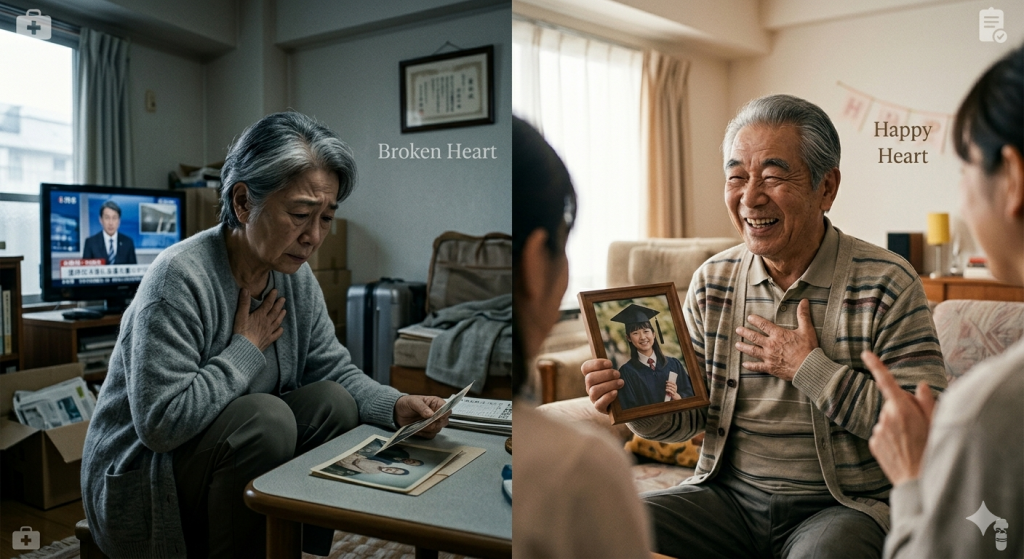
Since its discovery in 1990, Takotsubo Syndrome (TTS) has captivated the medical community as a profound example of the brain-heart connection. Traditionally dubbed „Broken Heart Syndrome,” this condition has long been associated with acute negative emotional stressors such as grief, fear, or anger. However, the clinical landscape is shifting. Emerging research, most notably from the extensive GEIST Registry, highlights a rarer but equally significant phenomenon: „Happy Heart Syndrome,” where profound joy and positive life events trigger the same transient left ventricular dysfunction.
In this clinical perspective, Joseph Adu-Amankwaah explores the intricate similarities and striking differences between these two emotional triggers. While both „happy” and „broken” hearts present with near-identical symptoms—including chest pain, dyspnea, and similar long-term mortality rates—new data suggests that „Happy Heart Syndrome” predominantly affects male patients and often manifests with atypical, nonapical ballooning patterns.
As we move toward a deeper understanding of TTS, the question remains: does a shared pathophysiological mechanism, rooted in amygdala hyperactivity and catecholamine surges, underpin both faces of the syndrome? By comparing these two clinical manifestations, researchers aim to solve the puzzle of acquired cardiomyopathy, ultimately paving the way for standardized treatment strategies in a field where they are currently lacking.
“Happy Heart” Versus “Broken Heart” Syndrome
słówka: